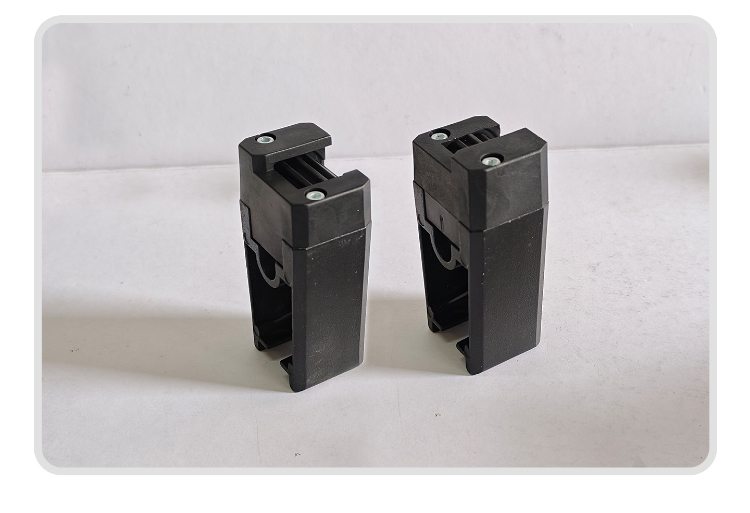
Product Overview & Core Features of 15mm Wide Timing Belt Conveyor
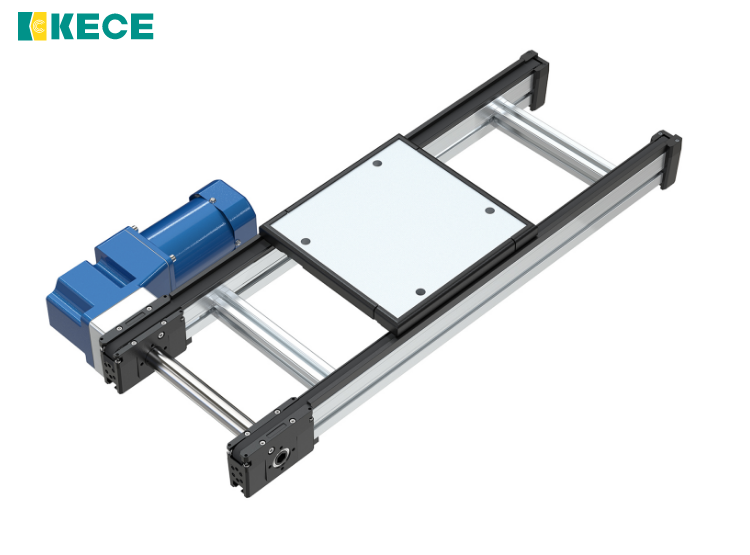
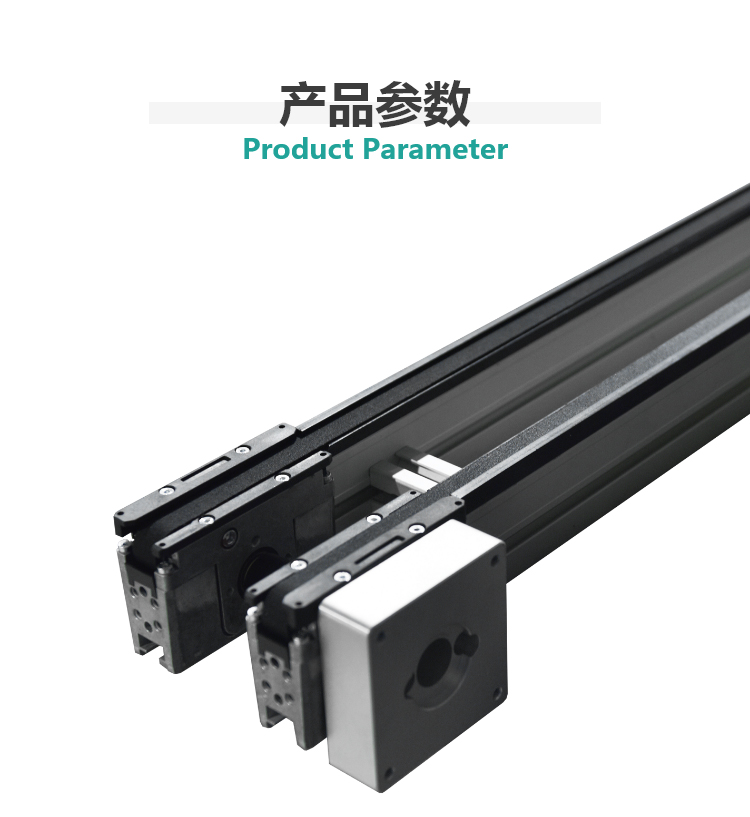
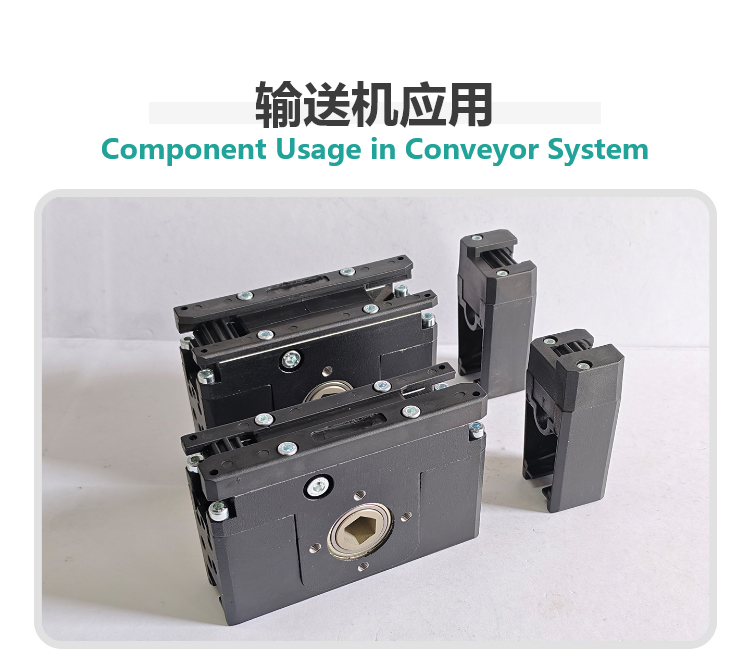
The 15mm wide timing belt conveyor is a compact linear transport system designed for precision handling of lightweight products and small components. The system uses a toothed timing belt constructed from polyurethane with steel or Kevlar tension cords, running on low-friction wear strips within an aluminum profile frame. Positive tooth engagement eliminates belt slip and supports accurate product positioning across start-stop and indexing cycles.
Material Construction & Belt Design
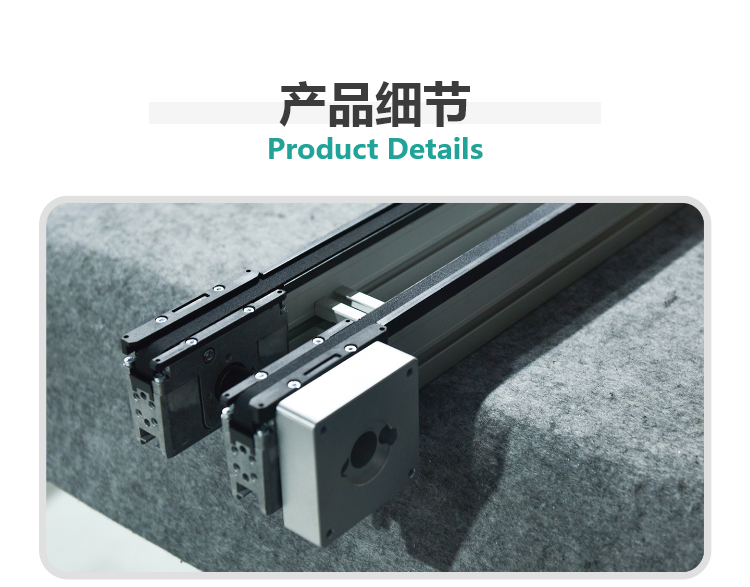
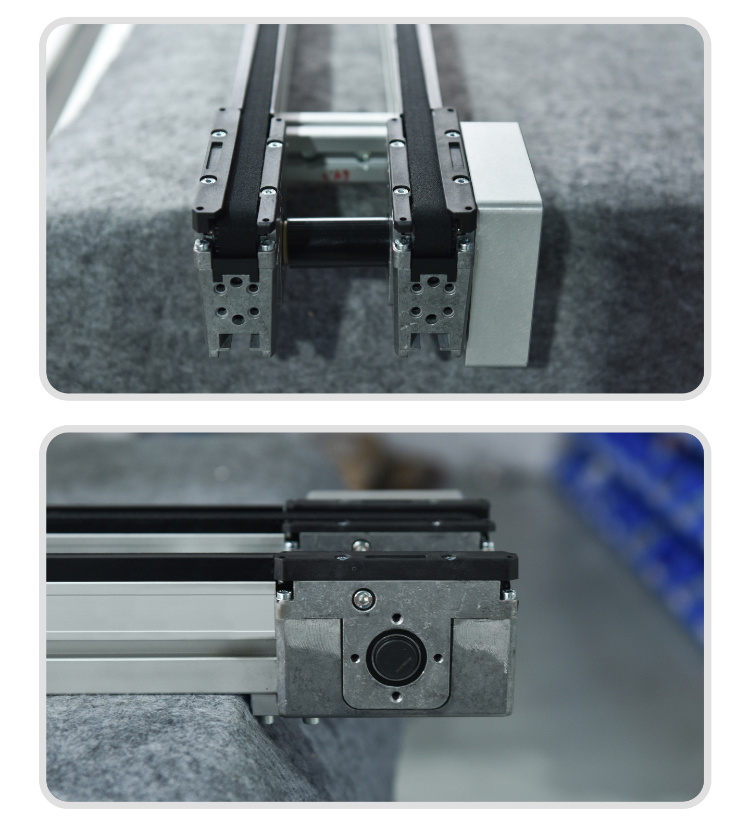
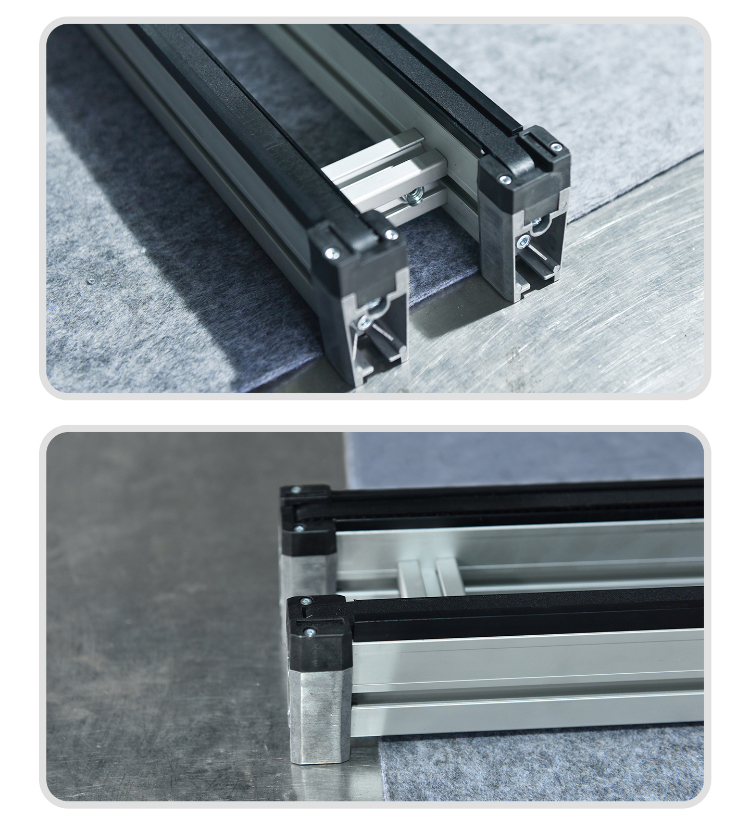
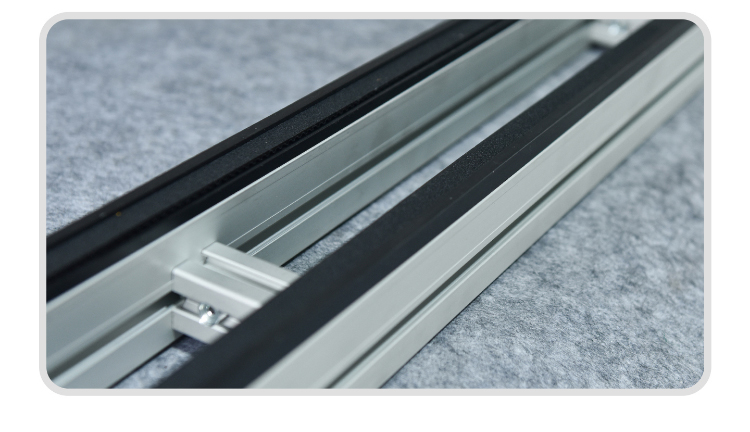
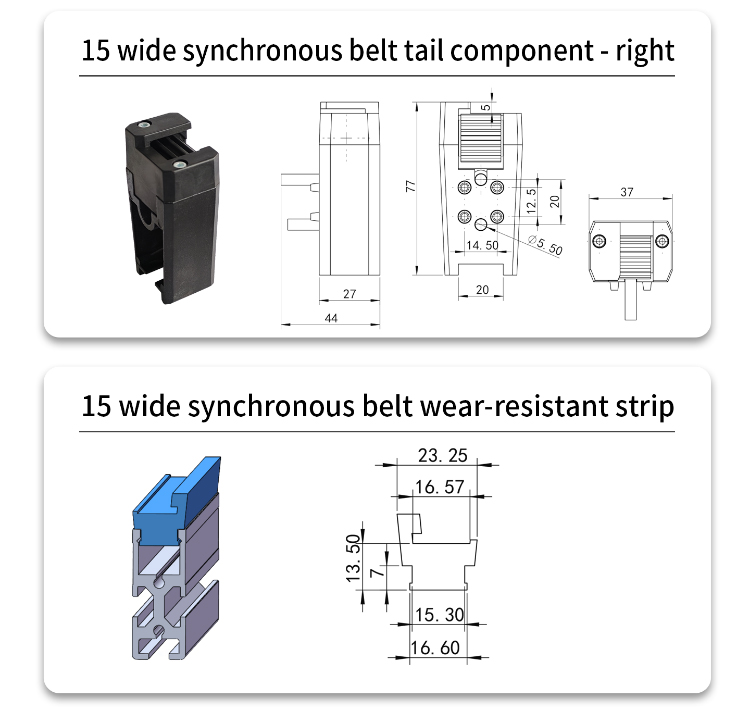
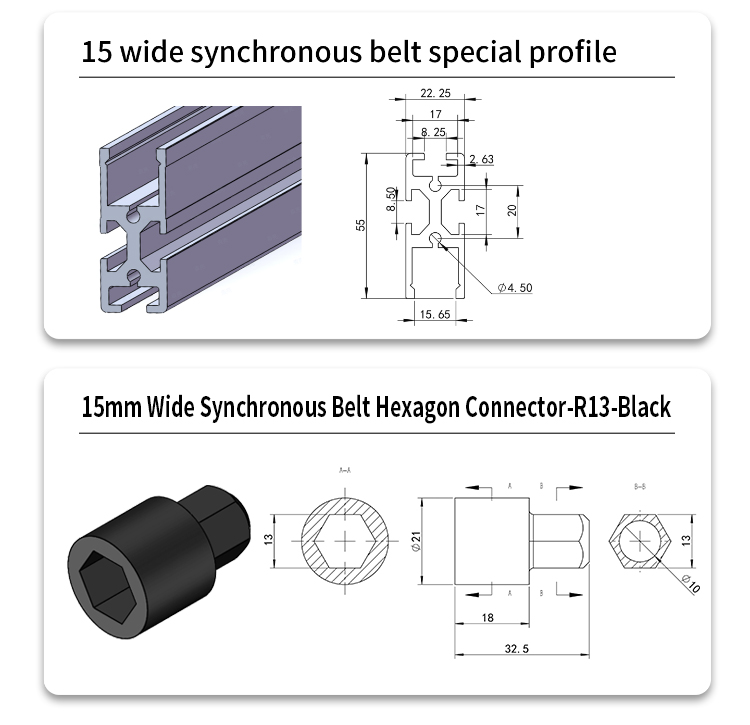
The conveyor frame is constructed from extruded aluminum profile with integrated mounting slots for accessory attachment. The 15mm wide timing belt is manufactured from polyurethane with embedded steel cords or Kevlar cords for tensile stability. Anti-static and conductive belt formulations are available for static-sensitive applications. The belt runs on low-friction polymer wear strips mounted within the aluminum frame, reducing operational noise and belt wear. Drive and idler pulleys are machined to match the belt tooth profile.
Positive engagement between belt teeth and pulley grooves eliminates slip during acceleration, deceleration, and reversing cycles. Typical positioning accuracy reaches ±0.5 mm for indexing applications. The toothed design maintains synchronization between drive rotation and belt position, which supports pick-and-place, dispensing, and vision inspection operations. The narrow 15mm belt width allows multiple parallel lanes to be installed within a single machine frame, increasing throughput per unit area.
Clean Design & Maintenance Access
The open frame design limits debris accumulation points and supports visual inspection during operation. No belt surface lubrication is required, which eliminates oil contamination risks in clean production environments. Belt replacement is performed using standard tools by releasing tension at the drive or idler end, without full disassembly of the conveyor frame. Side guides, sensors, and actuator brackets can be mounted to the aluminum profile slots without drilling.
Technical Specifications of 15mm Wide Timing Belt Conveyor
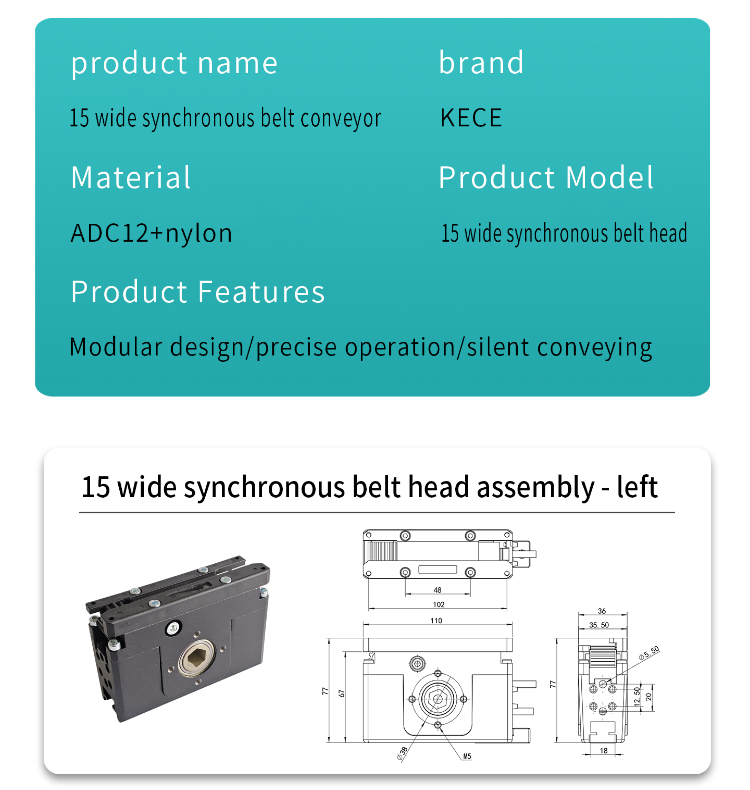
Parameter | Specification |
Belt Width | 15 mm |
Belt Material | Polyurethane (PU) with steel or Kevlar cords |
Belt Type | Toothed timing belt |
Positioning Accuracy | ±0.5 mm (typical) |
Drive Options | Stepper motor, servo motor |
Frame Material | Extruded aluminum profile |
Wear Strip Material | Low-friction polymer |
Belt Surface | Smooth, non-lubricated |
Static Control Options | Anti-static, conductive belt grades |
Mounting Method | T-slot aluminum profile |
Lane Configuration | Single or multiple parallel lanes |
Application Weight Class | Lightweight components and small parts |
Industrial Applications for 15mm Timing Belt Conveyor Systems
Electronics Assembly and PCB Handling
The 15mm timing belt conveyor transports printed circuit boards, smartphone subassemblies, and surface-mount components through solder paste printing, pick-and-place, and reflow oven infeed stations. The narrow belt width aligns with PCB edge support requirements, leaving the board surface accessible for processing. Precise indexing aligns product position with fiducial markers for automated assembly equipment. Multiple parallel lanes can be configured for simultaneous processing of different board formats.
Medical Device and Diagnostics Manufacturing
In automated assembly of diagnostic cartridges, test strips, and syringe subassemblies, the conveyor provides contamination-free part transport. The lubrication-free belt surface supports cleanroom and controlled-environment production. Medical-grade belt materials are available for applications requiring biocompatibility verification. The compact conveyor footprint fits within glovebox and isolator enclosures used for sterile processing, while accurate positioning supports laser welding and precision capping operations.
Battery Cell Handling and Test Equipment
The 15mm timing belt conveyor moves cylindrical cells (18650, 21700 formats) and prismatic pouch cells through formation charging, voltage testing, and sorting stations. The non-slip toothed belt prevents cell rotation and positional drift between test stations. Anti-static or conductive belt grades dissipate electrostatic charge, reducing discharge risk during cell handling. The narrow conveyor profile allows dense arrangement of test probes and contact fixtures within battery formation racks.
Customization & Procurement Details for Timing Belt Conveyors
Available Customization Options
Conveyor length is fabricated to customer-specified dimensions within standard extrusion limits. Drive motor selection includes stepper and servo options, with gear reduction available for high-torque indexing applications. Belt material can be specified as standard polyurethane, anti-static, or conductive grade based on application requirements. Side guides, sensor mounts, and workpiece fixtures can be pre-installed to specification. Frame finish and mounting bracket configurations are configurable for integration into existing equipment frames.
Lead Time & Packaging Specifications
Standard-length conveyor units ship within 5-7 business days after order confirmation for accessory-scale quantities. Custom-length configurations with modified drive assemblies require 15-17 business days for assembly and testing. All units are packed in cardboard cartons with foam padding for component protection. Full system orders including drive packages are crated in custom wooden packaging for transit. Lead times are calculated in business days and exclude public holidays; delivery schedules vary by carrier and destination region.
FAQ About 15mm Wide Timing Belt Conveyor
What positioning accuracy can be expected from this conveyor?
Typical positioning accuracy is ±0.5 mm under steady-state indexing conditions. Actual precision depends on motor selection, drive tuning, and load mass. Servo motor configurations with closed-loop feedback provide the highest repeatability for precision applications.
Can multiple 15mm conveyors be installed side by side?
Yes, the narrow profile allows multiple parallel lanes to be mounted to a common frame. This configuration increases throughput per machine footprint and supports applications requiring simultaneous transport of different part types. Technical drawings can be provided to confirm spacing requirements for specific lane counts.
How is belt tension adjusted during maintenance?
Belt tension is adjusted at the idler end of the conveyor frame using standard hand tools. The tension mechanism allows adjustment without removing the belt from the frame. Recommended tension values are specified based on belt length and application load. Replacement belts are available as spare parts for all standard conveyor lengths.